Programme

The Dialogue combines plenary discussions, comparative case studies, technical working groups and field-based analysis.

Agenda

Day 0

Sunday, 27 September 2026

Arrival of delegates

Day 0 — Arrival of delegates
TimeSession
All day

Arrival and registration of delegates

Afternoon

Optional city tours

Day 1

Monday, 28 September 2026

Authenticity in a Changing World

Day 1 — Authenticity in a Changing World
TimeSession
09:00 – 10:00

Official opening: Government of Viet Nam, UNESCO and institutional partners

10:00 – 10:30

Keynote address: Thirty years after Nara — why must the application of authenticity be reconsidered?

10:30 – 11:00

Coffee break

11:00 – 12:30

Framing plenary: From Nara to Nairobi — developments in heritage studies and the World Heritage system

12:30 – 13:30

Lunch

13:30 – 15:00

Session 1: Authenticity under climate change, conflict, disaster, displacement, urbanization and tourism

15:00 – 15:30

Coffee break

15:30 – 17:00

Session 2: Authenticity, integrity and Outstanding Universal Value — clarifying the relationships and evidentiary requirements

17:00 – 17:30

Day 1 synthesis: Issues requiring testing through Asia-Pacific cases

18:00 – 20:00

Welcome dinner hosted by the Chairman of the Ha Noi People's Committee

Day 2

Tuesday, 29 September 2026

Testing Authenticity through Asia-Pacific Cases

Day 2 — Testing Authenticity through Asia-Pacific Cases
TimeSession
09:00 – 12:30

Optional visit tour at Thang Long Citadel World Heritage site

12:30 – 13:30

Lunch

13:30 – 15:00

Parallel case laboratories

  • Case Laboratory 1: Reconstruction, periodic renewal, repair and continuity

  • Case Laboratory 2: Living, spiritual and associative heritage

15:00 – 15:30

Coffee break

15:30 – 16:45

Parallel case laboratories

  • Case Laboratory 3: Communities, knowledge holders and contested values

  • Case Laboratory 4: Tangible and intangible attributes, evidence and acceptable change

16:45 – 17:30

Comparative synthesis: What do the cases confirm, challenge or add to existing World Heritage practice?

Day 3

Wednesday, 30 September 2026

From Evidence to World Heritage Practice

Day 3 — From Evidence to World Heritage Practice
TimeSession
09:00 – 10:15

Parallel working groups

  • Working Group 1: Heritage identification, national inventories and Tentative Lists

  • Working Group 2: Preliminary Assessments, nominations and evaluation

  • Working Group 3: Management, monitoring, impact assessment and training

10:15 – 10:30

Coffee break

10:30 – 12:30
  • Working-group reports: Proposed methodological and policy recommendations

  • Institutional roundtable: Responsibilities of States Parties, UNESCO, the Advisory Bodies, Category 2 Centers, universities and community partners

  • Technical plenary: Review of the authenticity-assessment framework and Asia-Pacific recommendations

  • Final plenary: Agreement on recommendations, follow-up actions, responsible institutions and deadlines

  • Closing session: Presentation of the principal conclusions and next steps

12:30 – 13:30

Lunch

From 13:30

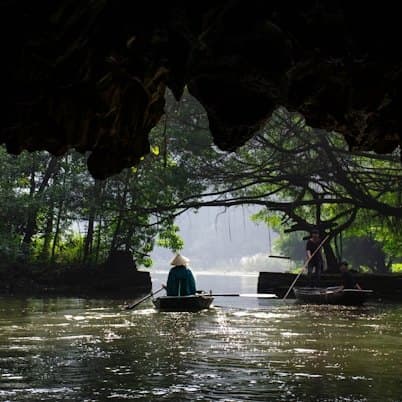
Transfer to Ninh Binh for the technical field visit

Day 4

Field visit in Ninh Binh

Conference themes

Relevant Points from the 2025 Nairobi Outcome Document

The 2025 Nairobi Outcome Document on Heritage and Authenticity is directly relevant to the proposed Asia-Pacific Dialogue because it calls for a broader, more inclusive understanding of authenticity within the World Heritage Convention. Although developed through an African dialogue, its principles are useful for other regions with living heritage systems, community custodianship, spiritual associations, traditional knowledge, evolving cultural practices and complex relationships between tangible and intangible attributes.

Plural understanding of authenticity

Authenticity should not be treated as a fixed or purely material test; it should be understood in relation to cultural context, knowledge systems, continuity, use, memory and meaning.

Community-centered custodianship

Local communities, knowledge holders and bearers should be actively involved in defining, explaining and safeguarding the values that make a place authentic.

Tangible and intangible attributes

Conservation practice should address physical fabric alongside practices, beliefs, oral traditions, skills, rituals, language, social values and associations.

Application across World Heritage processes

The Nairobi Outcome Document points to the relevance of authenticity in nomination dossiers, evaluation, management, monitoring, training, and legal or policy frameworks.

Regional expert dialogue

The World Heritage Committee has encouraged similar expert dialogues in other regions, making an Asia-Pacific conference timely and strategically aligned.

Operational follow-up

The conference should therefore aim not only to discuss authenticity, but to produce practical recommendations, outcomes and training priorities, case-study guidance and inputs that could inform future regional and global reflection.